

A Juvenile Defense Lawyer plays a vital role in protecting the legal rights and future of minors involved in the juvenile justice system. Unlike adult criminal proceedings, juvenile cases are designed to focus on rehabilitation, guidance, and personal development rather than strict punishment.
A skilled juvenile defense lawyer advocates for fair treatment, ensures due process, and works toward outcomes that support a young person’s growth—such as diversion programs, counseling, or reduced penalties. By understanding both the legal framework and the psychological development of juveniles, these attorneys help minors and their families navigate complex legal challenges while prioritizing long-term rehabilitation and future success.
| Section | Overview |
| Juvenile Defense Lawyer | Legal representation of minors |
| Juvenile Justice System | Rehabilitation-focused legal system |
| Legal Framework | State and federal laws |
| Due Process Rights | Fair legal protections |
| Status Offenses | Age-based violations |
| Delinquent Acts | Criminal law violations |
| Juvenile Court Process | Structured court proceedings |
| Defense Strategies | Legal protection methods |
| Diversion Programs | Court alternative programs |
| Role of Parents | Family involvement support |
| Post-Adjudication Options | Record sealing expungement |
| Legal Representation Importance | Rights and future protection |
Juvenile Defense Lawyer
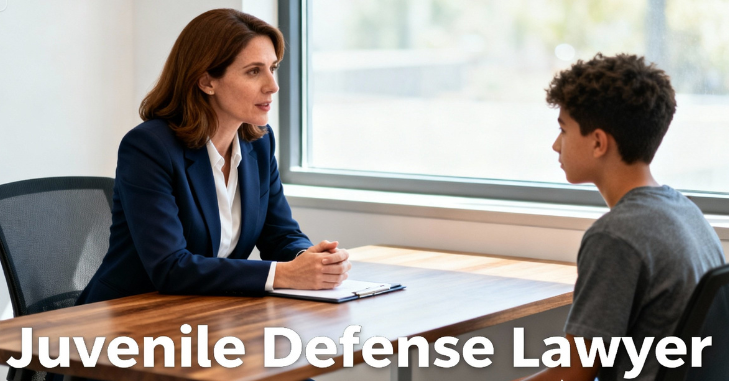
A juvenile defense lawyer specializes in representing minors accused of criminal offenses within the juvenile justice system. These attorneys play a crucial role in advocating for the rights of young clients, ensuring that they receive fair treatment and due process. Unlike adult criminal cases, juvenile cases emphasize rehabilitation over punishment, and defense lawyers work to secure the best possible outcomes for their clients, such as diversion programs or reduced sentences.
They conduct legal research, analyze evidence, negotiate plea deals, and represent juveniles in court, utilizing a comprehensive understanding of both legal standards and developmental psychology. By guiding families through the complexities of the juvenile justice system, these lawyers help young individuals navigate their legal challenges while focusing on their potential for rehabilitation and future success.
Understanding the Juvenile Justice System
The juvenile justice system is a specialized legal framework that addresses cases involving minors, typically under the age of 18, accused of criminal offenses. Unlike the adult criminal system, which emphasizes punishment, the juvenile system focuses on rehabilitation, recognizing the potential for change in young individuals.
Purpose and Philosophy
The main objectives of the juvenile justice system include rehabilitation, accountability, and prevention. The system seeks to guide young offenders away from a path of criminal behavior through education, counseling, and community service rather than focusing solely on punitive measures. It operates on the belief that juveniles have the capacity for change and that early intervention can significantly alter their life trajectories.
Legal Framework
State laws govern the juvenile justice system, although there are common federal guidelines. The Juvenile Justice and Delinquency Prevention Act (JJDPA) sets standards to ensure fair and humane treatment of juveniles within the system. Key principles include:
- Separation from Adults: Juveniles should be held in facilities separate from adult offenders to mitigate negative influences.
- Due Process Rights: While juveniles may not possess all the same rights as adults, they are entitled to basic due process, including the right to legal representation.
- Focus on Rehabilitation: Cases are handled in ways that address the root issues contributing to delinquent behavior.
Types of Juvenile Crimes
Juvenile crimes generally fall into two main categories: status offenses and delinquent acts.
Status Offenses
Status offenses are behaviors considered criminal only due to the age of the individual. Common examples include truancy (skipping school), running away from home, and curfew violations. These offenses reflect behaviors that might not be criminal for an adult.
Delinquent Acts
Delinquent acts are offenses that violate criminal law, like adult crimes. Common examples include theft, assault, drug offenses, and vandalism. These offenses can lead to serious consequences and are often treated with more formality within the juvenile justice system.
The Juvenile Court Process
Initial Steps
When a juvenile is arrested, law enforcement has the discretion to detain them in a facility or release them to a parent or guardian. The next step is the intake process, where an officer assesses the situation to decide whether formal charges should be filed. Diversion programs may be recommended at this stage to resolve issues without court proceedings.
Court Proceedings
If charges are filed, the court proceedings unfold as follows:
- Arraignment: The juvenile appears before a judge to hear the charges and enter a plea (guilty, not guilty, or no contest).
- Adjudication Hearing: This is akin to a trial, where evidence is presented to determine if the juvenile committed the alleged offense. Unlike adult court, there is no jury in juvenile cases; the judge acts as the fact-finder.
- Disposition Hearing: If the juvenile is found delinquent, the court determines the appropriate intervention, which may include probation, community service, therapy, or confinement in a juvenile facility.
Post-Adjudication Options
Juveniles may have the chance for expungement of their records upon completing the court’s requirements. This is crucial for preventing past offenses from hindering their future opportunities.
Defense Strategies for Juvenile Cases
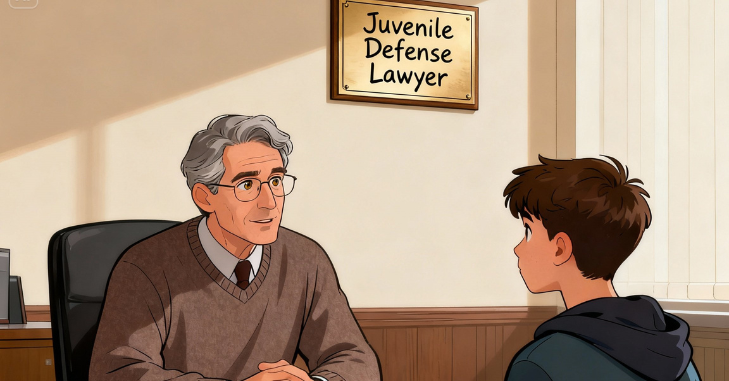
The role of a juvenile defense lawyer is critical in navigating the juvenile justice system’s complexities. Effective defense strategies can significantly influence the outcome of a case.
Common Defense Strategies
- Challenging Evidence: Defense attorneys often argue against the sufficiency or legality of the evidence presented. This includes questioning the validity of searches and seizures conducted by law enforcement.
- Lack of Intent: Demonstrating that the juvenile did not possess the intent to commit a crime is a potent defense, especially in cases of theft and vandalism.
- Mental Health Defenses: If mental health issues contributed to a juvenile’s behavior, the defense may argue that the individual was incapable of understanding their actions at the time of the offense.
- Coercion or Duress: If a juvenile was pressured or threatened by peers, the defense might assert that they acted under duress, which can mitigate their culpability.
- Remorse and Willingness to Change: Emphasizing the juvenile’s acceptance of responsibility, participation in rehabilitation programs, and positive behavioral changes can persuade the court toward leniency.
Importance of Legal Representation
Having a qualified juvenile defense lawyer is essential to protect a juvenile’s rights throughout the court process. They provide critical guidance, support, and advocacy to ensure the best possible outcome for their clients.
Additional Considerations

Diversion Programs
Many jurisdictions offer diversion programs designed to keep juveniles out of the formal court system. These programs often include counseling, community service, and restorative justice initiatives, which focus on repairing the harm caused by the offense instead of punishment.
The Role of Parents
Parents play an integral role in their child’s interaction with the juvenile justice system. They are often involved in court proceedings and are encouraged to support their child’s rehabilitation. Legal counsel can also guide parents regarding their rights and responsibilities during this challenging period.
Advocating for System Reforms
Lawyers and activists continue to call for reforms within the juvenile justice system to address various issues, including:
- Disparities in Treatment: Advocating for equitable treatment of juveniles across different demographics.
- Access to Mental Health Resources: Increasing mental health service availability is crucial for effective rehabilitation.
- Reducing Incarceration Rates: Emphasizing alternatives to detention can keep juveniles within their communities and focused on their education and well-being.
Conclusion
The juvenile justice system is complex and continually evolving, with a primary focus on rehabilitation and the potential for reform in young offenders. Understanding its components, the types of crimes juveniles commit, the court processes involved, and effective defense strategies is essential for anyone involved in juvenile cases.
A skilled juvenile defense lawyer serves as a vital advocate, helping navigate the challenges of the legal system while striving for the best possible outcomes. Through effective representation, education, and community involvement, there is hope for reducing juvenile crime and fostering a system that prioritizes rehabilitation and reintegration into society.
Want to know about Bail Jumping Meaning: All About Bail Jumping Meaning in Law, How Bail Jumping Occurs, Bail Jumping Vs Failure to Appear, And Much More Check out our Criminal Law category.
FAQs
The juvenile justice system prioritizes rehabilitation and educational interventions over punishment. Court procedures are generally less formal, and juvenile records are often confidential or sealed to reduce long-term consequences and protect future opportunities.
Due to the significant financial stakes in their cases, corporate, personal injury, and intellectual property attorneys frequently make the highest salaries.
Estate planning is frequently regarded as the simplest area of law to practice. Compared to other legal specialties, this is comparatively simple since it entails assisting clients in getting ready for the distribution of their assets upon death or incapacitation.
A juvenile defense lawyer represents minors involved in criminal proceedings and is responsible for protecting their legal rights. The lawyer ensures due process and advocates for outcomes that emphasize rehabilitation, guidance, and reintegration into society rather than punitive measures.