


Foreclosure attorney guidance is essential for homeowners who miss mortgage payments and face legal action from lenders. Foreclosure is the process by which banks reclaim property after default, often leading to court cases or auctions in cities such as New York, Chicago, and Los Angeles. Major lenders like Wells Fargo, CitiMortgage, Bank of America, and JPMorgan Chase handle thousands of filings each year under strict federal and state mortgage laws.
An attorney helps review notices, organize documents, and negotiate options such as loan modifications, repayment plans, or short sales. With hourly fees ranging from $150 to $500, this legal career focuses on protecting rights and reducing losses. Hiring a foreclosure attorney early can help manage deadlines, preserve credit, and avoid property loss.
| Basics | Details |
| Foreclosure | Property reclaimed after missed payments |
| Risk | Auctions in New York, Chicago, Los Angeles |
| Notice | Must follow federal and state mortgage laws |
| Banks | Wells Fargo, CitiMortgage, JPMorgan Chase |
| Attorney | Represents homeowners and lenders legally |
| Tasks | Negotiate settlements, file court documents |
| Timing | Hire after default or missed payments. |
| Options | Loan modification, short sale, repayment plan |
| Benefits | Protect rights, preserve credit scores. |
| Challenges | Strict deadlines, documentation, and multiple notices |
| Documentation | Agreements, bank statements, and affidavits are required. |
| Modification | Reduce interest, extend five-year repayment. |
| Court | Attorneys Emily Thompson, Sarah Mitchell |
| Costs | $150–$500 hourly, $50,000–$2,00,000 flat |
| Lender | JPMorgan Chase, Citibank, Bank of America |
| Preparation | Organize deeds, statements, and correspondence properly |
Definition of Foreclosure
Foreclosure is the legal process by which lenders reclaim property for unpaid mortgage payments. Homeowners in New York, Los Angeles, and Chicago face auctions or court actions. Notices must follow state statutes and federal mortgage regulations. Banks such as Wells Fargo, CitiMortgage, and JPMorgan Chase initiate foreclosures, file affidavits, and schedule auctions to recover outstanding loans from defaulting homeowners.
Role of a Foreclosure Attorney

A foreclosure attorney represents homeowners and lenders in disputes over late payments, auctions, or mortgage defaults. Attorneys like James Carter in Chicago or firms like Baker McKenzie negotiate with banks, prepare court filings, and ensure compliance with state and federal laws. They safeguard property rights, guide clients through complex procedures, and provide legal remedies to prevent financial loss. Also worth reading: Property Line Disputes in the U.S..
When to Seek Legal Help
Homeowners should contact an attorney immediately upon receiving notices of default, missed payments, or pending auctions. Early intervention helps prevent property loss and reduces stress. Attorneys review credit histories, payment records, and bank statements. They explore options such as loan modifications, partial repayments, or short sales, creating opportunities.
Benefits
A foreclosure attorney ensures legal protection under federal mortgage regulations and state foreclosure laws. They challenge improper filings, negotiate settlements, and sometimes reinstate mortgages. Professionals like Sarah Mitchell in Chicago, or legal teams at JPMorgan Chase, provide guidance, reduce financial losses, safeguard credit scores, and help clients pursue favorable resolutions.
Challenges in Foreclosure Cases
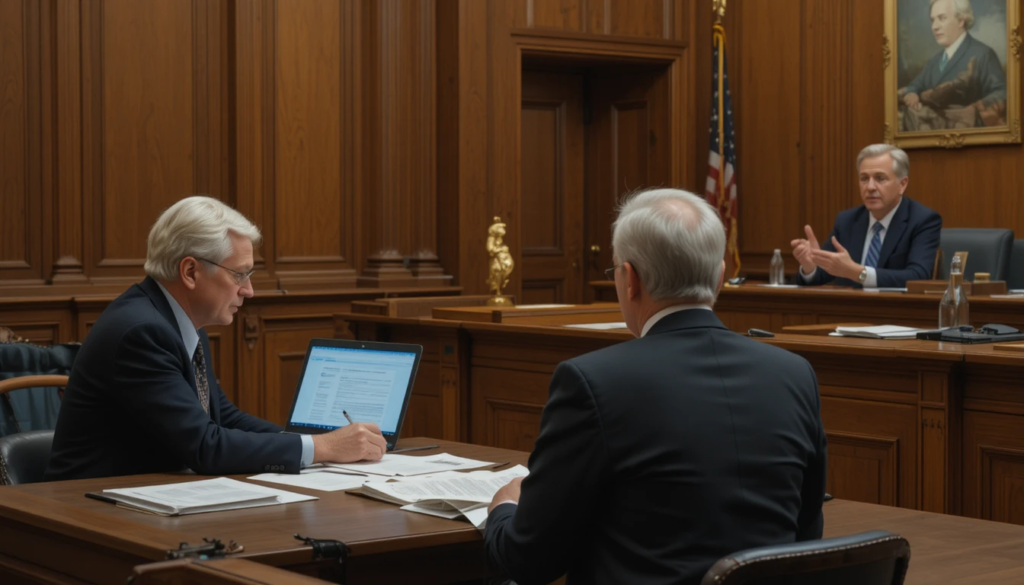
- Foreclosure cases involve strict deadlines, extensive documentation, and legal compliance.
- Banks such as Bank of America, Wells Fargo, and US Bank must comply precisely with regulations.
- Homeowners in Los Angeles, New York, and Chicago often face multiple notices, missed payments, and complicated filings.
- Errors or delays without attorney guidance can lead to property loss, stress, and higher financial liability.
Documentation and Legal Accuracy
Accurate documentation is crucial in foreclosure cases. Attorneys review mortgage agreements, notices, payment histories, and lender correspondence. Professionals like Mark Reynolds in New York ensure filings are timely and properly certified. Correct documentation enables homeowners to challenge improper foreclosures, negotiate modifications, and preserve their legal rights.
Loan Modification Assistance
Foreclosure attorneys negotiate loan modifications to reduce principal, extend repayment terms, or adjust interest rates. They communicate with lenders, including Wells Fargo, CitiMortgage, and Bank of America. Evidence of financial hardship supports modification requests. Legal professionals evaluate income, expenses, and debt. Negotiations may delay foreclosure, reduce monthly payments, and prevent property auctions,
Court Representation

During foreclosure lawsuits, attorneys represent clients in courts across New York, Los Angeles, and Chicago. They prepare petitions, present evidence, and cross-examine witnesses. Attorneys like Emily Thompson ensure homeowners’ rights are protected while lenders’ claims are enforced in accordance with regulations. Proper representation influences settlements, courtroom outcomes, and defense success.
Costs of Hiring Attorneys
Hiring a foreclosure attorney varies based on case complexity and experience. Hourly rates range from $150 to $500, while flat fees differ by city. Firms such as Jones Day or Skadden in New York provide professional representation. Despite upfront costs, attorneys often save homeowners from larger financial losses, protect credit scores, and improve prospects for successful foreclosure resolution.
Lenders
- Lenders hire attorneys to comply with federal and state mortgage regulations during debt recovery.
- Attorneys file petitions, manage auctions, and oversee court appearances.
- Banks like JPMorgan Chase, Citibank, and Bank of America rely on legal counsel to avoid violations, efficiently recover unpaid loans, and reduce delays, thereby ensuring that foreclosure actions comply with statutory requirements.
Choosing the Right Attorney
Selecting a foreclosure attorney requires checking experience, specialization, and success rates. Professionals like James Carter or Sarah Mitchell focus on negotiation, compliance, and court representation. Attorneys analyze documents, develop case strategies, and provide guidance to homeowners or lenders. Choosing the right attorney improves legal outcomes and protects property rights.
Preparing for Foreclosure Cases

Clients must provide mortgage agreements, lender correspondence, income statements, and property deeds for foreclosure cases. Attorneys like Mark Reynolds organize, review, and file documents accurately. Proper preparation allows effective negotiations, stronger defenses, and timely responses to notices. Organized documentation ensures procedural compliance and reduces the risk of property loss.
Conclusion
In conclusion, foreclosure attorney involve complex legal steps, strict deadlines, and detailed documentation that can overwhelm homeowners and lenders alike. Professional legal support helps manage court filings, negotiations, and compliance with federal and state mortgage laws.
As a Foreclosure Attorney, It explore options such as loan modifications, repayment plans, or settlements to reduce financial risk and emotional stress. Early action improves outcomes, protects property rights, and preserves credit scores, making informed legal decisions essential for achieving a fair and timely foreclosure resolution.
Want to know about Probate Litigation Lawyer: All About Understanding Probate Litigation, Rights of Heirs, Beneficiaries, What to Expect from a Probate Litigation Lawyer, And Much More Check out our Legal Advice category.
FAQs
Legal assistance should be sought as soon as default notices are received, as early action provides more time to review documents and explore repayment or modification options.
Proper legal steps may delay or prevent foreclosure through negotiations, loan modifications, or identifying errors in lender filings and compliance procedures.
Key documents include mortgage agreements, payment records, bank statements, income proof, and all lender correspondence to ensure accurate review and legal compliance.
Costs depend on case complexity and location, often charged on an hourly or flat-fee basis, but professional guidance may reduce long-term financial losses and credit damage.

