


Probate is a critical legal process that governs how a deceased person’s estate is administered and distributed, but it can quickly become complex when disputes arise. Challenges such as contested wills, disagreements over asset distribution, or misconduct by an executor often lead to probate litigation, requiring skilled legal intervention.
A Probate Litigation Lawyer plays a vital role in protecting the rights of heirs and beneficiaries, ensuring transparency, and resolving conflicts in accordance with the law. Understanding how probate works, when litigation occurs, and what to expect from legal representation can help individuals navigate this emotionally and legally demanding process with confidence and clarity.
| Topic | Summary |
| Probate | Estate legal process |
| Will Validation | Court approval |
| Executor Role | Estate management |
| Asset Distribution | Heir allocation |
| Probate Litigation | Estate disputes |
| Will Contests | Validity challenges |
| Fiduciary Breach | Executor misconduct |
| Asset Disputes | Distribution conflicts |
| Creditor Claims | Debt disputes |
| Heirs | Legal inheritors |
| Heirs’ Rights | Information, contest |
| Beneficiaries | Named recipients |
| Beneficiary Rights | Transparency, distribution |
| Probate Litigation Lawyer | Legal estate advocate |
| Lawyer’s Role | Representation, negotiation |
| Case Evaluation | Strength assessment |
| Court Representation | Legal advocacy |
| Dispute Resolution | Mediation, settlement |
| Litigation Challenges | Cost, delay, stress |
| Legal Complexity | Procedural intricacy |
What is Probate?
Probate is the legal process through which a deceased person’s estate is managed and distributed. This process typically includes several essential steps. First, the court must validate the will to ensure it accurately reflects the deceased person’s wishes. Next, an executor or personal representative is appointed by the court to handle the estate’s affairs. Following this, the executor is responsible for gathering the estate’s assets, settling outstanding debts, and paying any taxes owed.
After the debts and taxes are settled, the remaining assets are distributed to the designated heirs and beneficiaries. While probate is designed to be a straightforward process, it can become complicated, leading to disputes that require litigation. The probate process can vary significantly by jurisdiction, affecting timelines and procedures.
When Does Probate Litigation Occur?
Probate litigation can arise for various reasons, including:
- Will Contests: Heirs or beneficiaries may challenge the validity of a will, claiming it was created under undue influence or that the deceased lacked mental capacity at the time of its creation.
- Breach of Fiduciary Duty: If an executor or administrator fails to act in the best interests of the estate, they can face legal action.
- Disputes Over Asset Distribution: Conflicts often arise regarding how assets should be divided among beneficiaries.
- Claims Against the Estate: Creditors may present claims that contest how debts should be settled or prioritized.
Rights of Heirs and Beneficiaries

Understanding the rights of heirs and beneficiaries is crucial for navigating the complexities of probate litigation.
Heirs
Heirs are individuals legally entitled to inherit from an estate, usually determined by state intestacy laws when no valid will exists.
Rights of Heirs
- Right to Information: Heirs have the right to be informed about the probate process, including the estate inventory and its debts.
- Right to Contest the Will: Heirs can challenge the validity of a will if they believe it does not accurately reflect the deceased’s wishes.
- Right to an Accounting: Heirs may request a formal accounting from the executor detailing the estate’s financial status and transactions.
Beneficiaries
Beneficiaries are individuals designated to receive specific assets from the estate as dictated by the will.
Rights of Beneficiaries
- Right to Receive Bequests: Beneficiaries have the right to obtain their designated assets as specified in the will.
- Right to Transparency: Beneficiaries can request updates and financial information about the estate’s administration.
- Right to Contest Distributions: Beneficiaries may dispute the distribution of assets if they believe the will was not followed correctly.
The Role of a Probate Litigation Lawyer
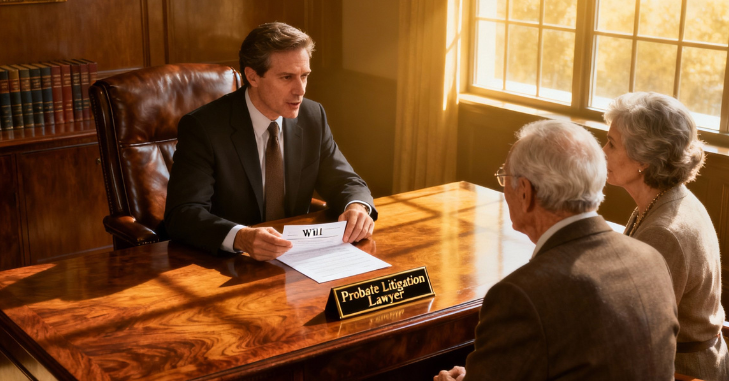
Navigating probate litigation can be complex and emotionally challenging. A probate litigation lawyer plays a vital role in this process, providing guidance and legal representation. One key responsibility is conducting an initial consultation, wherein the lawyer evaluates the case’s strengths and weaknesses and helps clients develop a legal strategy.
Once engaged, the lawyer conducts thorough investigations, examining documents, wills, and other evidence relevant to the case. They serve an advisory role, informing clients about their rights and options, and guiding them through the intricate legal language often encountered in probate matters. Representation is another critical function; the lawyer advocates for their client’s interests in court, preparing the necessary documents and appearing at hearings on their behalf.
Furthermore, a probate litigation lawyer often acts as a negotiator, seeking to resolve disputes between parties without resorting to prolonged litigation. Their expertise in mediation can lead to settlements that satisfy all parties involved, thus expediting the probate process.
What to Expect from a Probate Litigation Lawyer
When hiring a probate litigation lawyer, it’s essential to understand what to expect from their services and the legal process.
Initial Steps
- Evaluation of the Case: A good attorney will assess the case’s strengths and weaknesses.
- Cost Discussion: Expect a discussion about legal fees, which can vary based on the case’s complexity and the lawyer’s experience.
Communication
- Updates and Information: A responsible lawyer keeps clients informed about developments in their case through regular updates.
- Clarity on Processes: Expect clear explanations of legal terminology, court procedures, and the probate process.
Representation
- Court Representation: Your lawyer will represent you in court hearings, prepare necessary documents, and make arguments on your behalf.
- Negotiation Expertise: Expect your lawyer to possess skills in mediation and negotiation to resolve conflicts without extended litigation.
Challenges in Probate Litigation
Although probate litigation may be necessary, there are challenges that parties often face, including:
Emotional Strain
Disputes over an estate can revive old family grievances, leading to emotional turmoil among siblings and relatives.
Financial Costs
Litigation can incur significant legal fees, which may diminish the overall value of the estate.
Time-Consuming Process
Probate litigation can last for months or even years, especially in contentious cases, delaying the distribution of inheritances.
Legal Complexity
The intricacies involving wills, fiduciary duties, and estate laws can be overwhelming, necessitating expert guidance.
Conclusion
Probate litigation is an intricate process designed to ensure the rightful distribution of an estate according to the deceased’s wishes or state laws. Understanding the rights of heirs and beneficiaries is critical for effectively navigating the probate process. Engaging a knowledgeable probate litigation lawyer can provide the necessary support and expertise to guide individuals through the complexities involved.
Whether contesting a will, addressing breaches of fiduciary duty, or managing disputes regarding asset distribution, being well-informed about the process empowers individuals to take control of a situation that can often feel tumultuous. Seeking legal counsel is advisable for anyone navigating these challenging emotional and legal landscapes.
Want to know about What is Disorderly Conduct in Law? Comprehensive Guide to Legal Definition, Statutes, Penalties, and Enforcement Procedures Check out our Legal Advice category.
FAQs
Probate litigation refers to legal disputes that arise during the probate process, typically involving disagreements among heirs, beneficiaries, and executors regarding the validity of a will or the administration of an estate. It may encompass will contests, breaches of fiduciary duty, and disputes over asset distributions.
Beneficiaries have the right to receive their designated assets as outlined in the will, the right to demand transparency regarding estate administration, and the right to contest any distributions they believe are inconsistent with the will.
The duration of probate litigation can vary widely depending on the complexity of the case and the level of conflict among parties. It can range from several months to several years, especially if the disputes require extensive court involvement.
During probate litigation, you can expect an initial consultation with your lawyer to discuss your case, followed by an investigation of relevant documents and evidence. The process may involve negotiation or mediation efforts, and if necessary, court appearances where your lawyer will advocate on your behalf.